
We offer a fellowship program to prepare future cancer researchers through hands-on lab experience and mentorship.
The Iowa Cancer Research Experience (ICARE) program aims to expand the cancer research workforce, including individuals who intend to pursue a doctoral degree in biomedical science, data science, population health, public health, or a health profession. The goal of this program is to expose post-baccalaureate participants to cancer research and provide career development activities that will prepare them for a future in the field. The American Cancer Society helps fund this program.
Interested or have further questions, contact: HCCC-ICAREPostBac@uiowa.edu.
The application for the 2026 cycle is closed. As an affiliate program of National PROPEL, ICARE will participate in a matchmaking event in spring 2027. Interested scholars are encouraged to apply in February - March 2027 for the matchmaking event.
Our Commitment
We are dedicated to providing engaging research experiences and innovative educational activities to strengthen the biomedical workforce. A key priority of the ICARE program is to offer research opportunities and professional development workshops that will transform less competitive post-baccalaureate students into strong candidates for admission into research-focused, cancer-related doctoral degree programs. The ICARE program has a spectrum of program faculty to provide robust research experiences to trainees. Upon completing the ICARE program, our scholars will understand the culture of the biomedical research enterprise and have the skills necessary to tackle the challenges of pursuing a doctoral degree in a research-intensive setting.

$38K/year
Professional development

1-2 Years

Program Features
- Professional development
- Bootcamp Skill Building Series
- Mentorship from PhD students in cancer-related fields
- 1-2-year paid research experience (this appointment is for a limited duration, anticipated length of one to two years - the fellow can be rehired into another type of position through the competitive search process)
- Career coaching and advice on graduate and medical school applications or personal statements
Eligible individuals
- Are graduating from an undergraduate institution in 2026 or 2027
- Preference given to applicants with a GPA of at least 3.0; applications accepted with a minimum GPA of 2.5
- Intend to pursue a doctoral degree in biomedical science, data science, population health, public health, or a health profession
- Are looking to gain more research experience and help strengthen their graduate school or medical school applications
- May include those living with a disability, individuals who are first-generation high school or college graduates, those from rural or medically underserved communities, or from families who are socially or economically disadvantaged
- Have U.S. citizenship or permanent residency
Program benefits
For fellows:
- Working in the lab of a distinguished PI at a major national research institution provides invaluable experience and preparation for the commencement of advanced studies.
- Work experience before entering graduate school is highly desirable and helps strengthen an applicant's resume.
- Strong letters of reference are an anticipated outcome of a successful fellowship, as well as the ability to articulate experience gained.
- The laboratory experience fosters close interaction with faculty, postdoctoral scholars, and graduate research assistants, providing mentoring and professional development through departmental seminars and presentations.
For Holden Comprehensive Cancer Center:
- Advances the educational and research missions of the University by furthering the education and training of pre-doctoral, graduate, or professional students
- Increases the labor pool of potential scientists or clinicians for the State of Iowa and beyond
- Increases the cancer research workforce
- Brings/retains college graduates to the State of Iowa, furthering workforce development
- Alleviates administrative burden on faculty supervisors; reduces time to hire
- Allows for careful stewardship of scarce research dollars
Resources for applicants
Housing:
There are two different health plans for ICARE fellows to choose from and one dental plan, available through University of Iowa Human Resources.
FAQs
What research experiences and professional workshops for skill development are available?
Programming for scholars includes high-quality immersive research experiences and workshops designed to ensure that trainees have acquired the skills necessary for being successful in the laboratory and ultimately to be highly competitive for top-tier graduate programs in biomedical science. ICARE postbac fellows are generally expected to have 25% time available for programmatic commitments, seminars, and workshops.
Can ICARE Fellows have their student loans deferred?
ICARE Fellows are considered employees, and as such, are not enrolled in a degree-granting academic program. This precludes the use of any in-school deferment options. Fellows can request income-driven repayment plans, such as PAYE or RePAY, with potentially lower or zero monthly student loan payments based on discretionary income. All graduates have a six-month grace period before they are required to begin payments toward their federal student loan debt. Any applicant with questions related to student loans should contact their loan servicer.
Will there be an orientation?
ICARE fellows enter the program as a cohort in August and spend the first week in social orientation activities to develop a sense of community on and off the UI campus. This orientation includes an overview by the program directors of the wide variety of available research within the ICARE Postbaccalaureate Program. All fellows participate in a Bootcamp Skill Building Series that addresses key topics that students in our cancer-related labs have provided feedback that they wish they had gotten more training on early in their career, including: how to find good mentors, how to be an effective mentee, grantsmanship, presentation skills, networking, writing skills, and learning about fellowship opportunities. Through attending weekly seminars, ICARE fellows get to know near-peer mentors (Cancer Biology graduate students). Peer mentorship is an important strategy for getting support and overcoming imposter syndrome. Additionally, Holden Comprehensive Cancer Center hosts monthly informal gatherings for ICARE fellows, ICARE mentors, and other trainees at UI to discuss student questions, share stories, and further instill a sense of belonging among our students.
How do I know which lab to join?
Fellows have access to several research labs with strong mentorship expertise spanning a broad range of cancer-related disciplines. ICARE leadership facilitates virtual meet-ups with potential mentors to help determine an appropriate lab fit. After completing orientation activities that provide fellows with an overview of research at Iowa and immediately foster their sense of belonging in the program (week 1), fellows will begin integrating into their research laboratory or group.
Will I need to complete my own research project?
Upon completion of the matching process, fellows will work with their research mentors to identify feasible projects that will help them to experience all aspects of the research process (including experimental design and planning, data collection, analysis, interpretation, and communication of findings). Mentors will be strongly encouraged to prioritize putting fellows on projects with both team and independent components for which a manuscript is planned to be submitted during the fellows’ two years in the program. Mentors will be instructed to be thoughtful about pairing the fellows with post-docs and grad students in the lab who have demonstrated emotional maturity and cultural awareness, and to continue to develop those mentors along these lines. The ICARE Advisory Team meets with fellows monthly to provide career coaching and will work closely with the fellows to ensure there are effective avenues and outlets for resolving conflicts and working out problems during the laboratory phase of the program. This structure of mentorship also ensures that there are three faculty members who will have worked closely with the fellow and be able to write strong recommendation letters based on the fellow's performance in programmatic activities and the laboratory.
Do I have to do any public speaking?
The ICARE Postbaccalaureate program supports public speaking by trainees as they prepare and deliver quarterly updates on their research project, and receive constructive feedback on their presentation skills and the science. Peers and faculty mentors evaluate the presentations and fill out a structured questionnaire that will be sent to both the scholar and their mentor. They will also have an opportunity to present a poster at the Holden Scientific Retreat each summer, at national and regional meetings (ex: ABRCMS, Iowa Cancer Summit), and at schools in Iowa with students without substantial research opportunities. At the conclusion of the program, trainees will have a well-developed and articulate presentation of their work that they can “take on the road” for graduate student interviews, will have learned how to “hear” and to answer questions, and be knowledgeable with respect to their research project.
How is support provided for time management and professionalism?
The ICARE program introduces and reinforces the concept of professionalism – e.g., fulfilling commitments, meeting deadlines, and fostering good workplace relationships. At the beginning of the program, orientation will emphasize the importance of timeliness, arriving at work prepared to work, proper submission of work records, following rules of attire, advance requests for vacation and time off for appointments, proper use of email and university resources, etc. We support fellows to develop effective time management and organization skills in the Bootcamp Skill Building Series portion of the program.
How do you really plan on building confidence?
Based upon prior postbac training programs, trainees have benefited from learning the importance of patience and perseverance, learning how to reach out to others for assistance, and developing self-confidence in their abilities. Based on prior experiences, the near-peer mentor pairing will be critical to fostering that sense of belong through one-on-one relationship building, combined with networking with the graduate students in large and small group settings. Our fellows will be placed in laboratories with graduate students, they attend seminars with graduate students, they hear graduate students give work-in-progress talks, join lunches that graduate students have with outside speakers, and engage in programming and attend events sponsored by the Association of Multicultural Scientists, a graduate student-run organization that fosters a community of inclusion. This informal indoctrination of fellows into the graduate school culture sets the groundwork for understanding their expectations of doctoral students.
What is the culture of postbacs at University of Iowa?
There is a collective impact to develop a culture of the postbaccalaureate experience on the University of Iowa campus. Holden Comprehensive Cancer Center (ICARE) and the Iowa Neuroscience Institute (iDREAM Postbacc Program) have intentionally worked together to share information, resources, and problem-solving techniques. The ICARE and iDREAM cohorts frequently interact through a Bootcamp Skill Building series and participate in social activities within the community. Through these monthly interactions, they see there is a larger community than just themselves. Campus leaders have recognized an opportunity to leverage these postbac pathway training programs to expand the scientific workforce available to investigators and have asked ICARE and iDREAM to serve as resources to other units on campus looking to establish similar postbac programs.
Program Directors

Jessica Sieren, PhD
Associate Director for Career Enhancement, Holden Comprehensive Cancer Center
Associate Professor of Radiology - Division of Cardiovascular and Thoracic Imaging
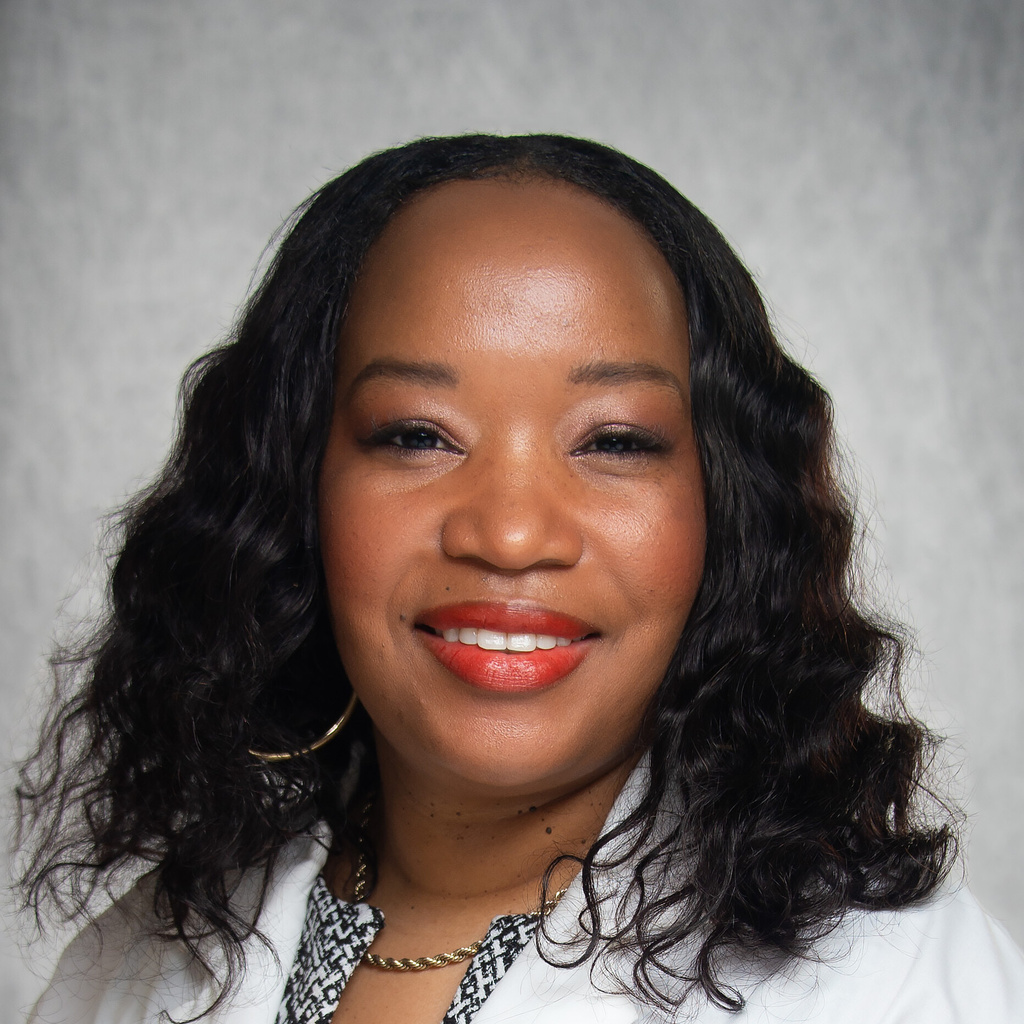
Andrean Simons-Burnett, PhD
Professor of Radiation Oncology & Pharmaceutical Sciences and Experimental Therapeutics
ICARE Advisory Team
The ICARE Advisory Team offers monthly career coaching, providing fellows with comprehensive advice, various perspectives, and valuable experiences as they navigate their future paths. The ICARE Advisory Team consists of:
ICARE Mentors
Bryan Allen, MBA, MD, PhD
Dr. Allen is the Chair and DEO of Radiation Oncology.
Interests: understanding the basic science mechanisms by which pharmacological ascorbate can selectively act as a pro-oxidant in brain and lung cancer vs. normal cells, for the purpose of developing novel combined modality chemo-radiotherapies
Dustin Bosch, MD, PhD
Dr. Bosch is an Assistant Professor of Pathology.
Interests: gut microbiome, bacteroidetes, interbacterial interactions among colonic commensals
John Buatti, MD
Dr. Buatti is a Professor of Radiation Oncology.
Interests: use of imaging outcomes for patients undergoing cancer therapy, tools and algorithms for quantitative imaging assessments, radiation therapy
Mark Burkard, MD, PhD
Dr. Burkard is a Professor in Internal Medicine-Hematology Oncology and Director of the Holden Cancer Center.
Interests: breast cancer, genomic changes in breast cancer, precision medicine, immunotherapy
James Byrne, MD, PhD
Dr. Byrne is an Associate Professor of Radiation Oncology.
Interests: developing transformative technologies to improve patient care, such as the development of biofoams that hold great promise in enhancing the effectiveness of chemotherapy and radiation therapy for rectal cancer patients
Catherine Cherwin, PhD, RN
Dr. Cherwin is an Assistant Professor of Nursing.
Interests: cancer symptom science, gastrointestinal microbiome, symptom clusters, non-pharmacologic management of symptoms
Gary Christensen, DSc
Dr. Christensen is a Professor of Computer and Electrical Engineering, and Radiation Oncology.
Interests: medical imaging, global shape models, 3D visualization, computer architecture, parallel computing, modeling body and brain anatomy
John Colgan, PhD
Dr. Colgan is an Associate Professor of Internal Medicine-Immunology and Anatomy and Cell Biology.
Interests: understanding the transcriptional mechanisms that control lymphocyte development and function; the importance of GON4L for the growth and survival of leukemias that arise from B and T cell precursors
David Cwiertny, PhD
Dr. Cwiertny is a Professor of Civil and Environmental Engineering and Chemistry.
Interests: materials-based treatment strategies for water and wastewater, chemical transformation pathways for emerging contaminant classes in natural aquatic systems
Karen Cyndari, MD, PhD
Dr. Cyndari is an Assistant Professor of Emergency Medicine.
Interests: understanding what goes wrong with the immune system in the joint space and restore or repair normal function; synovial sarcomas; the immune response within the joint space during infectious and inflammatory arthritis.
Sanjana Dayal, PhD
Dr. Dayal is an Associate Professor of Internal Medicine-Hematology, Oncology, and Blood and Marrow Transplantation.
Interests: investigating mechanisms of thrombosis under a variety of pathological conditions using sophisticated animal models and clinically relevant human samples
Kris DeMali, PhD
Dr. DeMali is a Professor of Biochemistry and Molecular Biology, and Dermatology.
Interests: carcinomas, cellular mechanisms involved in assembly and maintenance of cell-cell adhesions, the function and regulation of proteins recruited to the cytoplasmic face of cadherins
Rebecca Dodd, PhD
Dr. Dodd is an Associate Professor of Internal Medicine-Hematology, Oncology, and Blood and Marrow Transplantation.
Interests: soft-tissue sarcomas, genetics of sarcoma, tumor microenvironment, preclinical platform applications, novel genome editing tools
Melissa Fath, PhD
Dr. Fath is an Associate Research Scientist in the College of Pharmacy.
Interests: metabolic differences between cancer cells and normal cells, new therapeutic regimens, translational research, defeating the mechanism tumor cells use to evade therapy
Ernesto Fuentes, PhD
Dr. Fuentes is an Associate Professor of Biochemistry and Molecular Biology.
Interests: signal transduction pertinent to human disease, molecular mechanisms governing specific signal transduction in eukaryotic and prokaryotic systems
David Gordon, MD, PhD
Dr. Gordon is an Associate Professor of Pediatrics- Hematology/Oncology.
Interests: Ewing sarcoma, creating genetically defined models of cancer, studying pathophysiology of Ewing sarcoma using human stem cell models, pediatrics
Jess Gorzelitz, PhD
Dr. Gorzelitz is an Assistant Professor in Health and Human Physiology.
Interests: physical activity and exercise in cancer survivorship, using innovative distance-based approaches to reach rural and underserved populations; the importance of muscle strengthening exercise for survivors to help reduce treatment related symptoms to focus on health through strength
Prajwal Gurung, PhD
Dr. Gurung is an Associate Professor of Internal Medicine-Infectious Diseases.
Interests: reducing inflammatory responses, how pattern recognition receptors are involved in sensing pathogen- and host-derived molecular patterns, roles of cytoplasmic sensors in health and disease
Jon Houtman, PhD
Dr. Houtman is a Professor of Microbiology and Immunology.
Interests: how current therapeutic agents are altering human T cell signaling and function, role of GRB2 in TCR signaling pathways, impact of GML on human T cell activation
Michelle Howard, PhD
Dr. Howard is an Assistant Professor of Radiation Oncology.
Interests: combining novel therapeutic agents and radiation therapy, pediatric cancers, increasing effectiveness of radiation using redox modulating drugs
Yi Huang, MD, PhD
Dr. Huang is an Associate Professor of Internal Medicine - Hematology, Oncology, and Blood and Marrow Transplantation
Interests: understanding the roles of epigenetic changes in breast cancer initiation, progression, and resistance to therapies
Priya Issuree, PhD
Dr. Issuree is an Assistant Professor of Internal Medicine - Infectious Diseases.
Interests: cell fate decisions shaping T cell immunity; fundamental mechanisms that dictate T cell development using the thymus as a model
Ali Jabbari, MD, PhD, FAAD
Dr. Jabbari is the Chair and Head of Dermatology and an Associate Professor.
Interests: cutaneous T cell lymphomas; identify the genetic and molecular perturbations among the different forms of CTCL to better match patients with treatment
Zhendong Jin, PhD
Dr. Jin is Professor of Pharmaceutical Sciences and Experimental Therapeutics.
Interests: designing and developing the new generation of cytotoxic payloads with novel mechanisms of action; the interface of chemistry and biology of bioactive natural products
Colin Kenny, PhD
Dr. Kenny is an Assistant Professor of Surgery - Surgical Oncology and Endocrine Surgery.
Interests: advancing the understanding and treatment of melanoma through innovative, translational research; how cancers develop, adapt, and respond to treatment, with the goal of improving outcomes for patients facing complex diseases.
Ksenia Krupina, PhD
Dr. Krupina is an Assistant Professor of Biochemistry and Molecular Biology.
Interests: the mechanisms of genome instability in cancer, with particular emphasis on chromothripsis, micronuclei, and extrachromosomal DNA (ecDNA).
Jong Sung Kim, PhD
Dr. Kim is an Associate Professor of Occupational and Environmental Health.
Interests: nanotoxicology, exposomics, metabolomics, mechanistic toxicology, human risk assessment, and biomarkers
Bing Li, PhD
Dr. Li is a Professor of Pathology.
Interests: the role of fatty acid binding proteins (FABPs) that regulate immune cell lipid metabolism and function in the setting of a high fat diet
Yi Luo, MD, MS, PhD
Dr. Luo is a Professor of Urology.
Interests: role of regulatory T cells in controlling autoimmune cystitis, biological pathways and genes responsible for bladder cancer resistant to chemotherapy, new animal models for bladder cancer research
Vincent Magnotta, PhD
Dr. Magnotta is a Professor of Radiology-Neuroradiology.
Interests: novel imaging approaches and analysis strategies, diffusion tenor imaging, chemical shift imaging, analysis of brain morphology
Ashutosh Mangalam, PhD
Dr. Mangalam is an Associate Professor of Pathology.
Interests: gut microbiome, therapeutic potential of human gut derived bacteria as drug (BRUG) in inflammatory diseases such as MS
Adam Mailloux, PhD
Dr. Mailloux is an Assistant Professor of Microbiology and Immunology.
Interests: changes in the extracellular matrix in a tumor and effect on infiltrating effector cells, novel technology using tumor-derived HLA complex, deep immune profiling during the anti-tumor response to make novel gene-modified cell therapies
Thorsten Maretzky, PhD
Dr. Maretzky is an Assistant Professor in Internal Medicine.
Interests: innate immune system, inflammation, Host-Pathogen interaction, iRhoms in disease and development, A Disintegrin and metalloprotease activation and regulation
Xiangbing Meng, PhD
Dr. Meng is a Research Associate Professor in Pathology.
Interests: new prognosis biomarkers and potential therapeutic targets in gynecology, synthetic lethal studies in gynecology, Mitotic Catastrophe induction in ovarian and endometrial cancer
Michael O'Rorke, PhD
Dr. O'Rorke is an Associate Professor in Epidemiology.
Interests: Triple negative breast cancer (TNBC), molecular/clinical/cancer/pharmaco- epidemiology, biomarkers of treatment response and prognostication
Miles Pufall, PhD
Dr. Pufall is an Professor in Biochemistry and Molecular Biology.
Interests: childhood acute lymphoblastic leukemia (ALL), role of glucocorticoid receptors (GR) that induce cell death; how drugs and DNA sequence change the structure of GR
Dawn Quelle, PhD
Dr. Quelle is a Professor in Neuroscience and Pharmacology.
Interests: pathogenesis of neuroendocrine tumors (NETs) and aggressive malignant peripheral nerve sheath tumors (MPNSTs), mechanisms driving cancer especially in cell cycle and mitogenic signaling pathways
David Roman, PhD
Dr. Roman is a Professor of Pharmaceutical Sciences and Experimental Therapeutics, Professor of the Office of the Dean, and Associate Dean for Research and Graduate Education.
Interests: role of Regulator of G Protein Signaling (RGS) proteins in normal cellular signal transduction and in disease states
Aliasger Salem, PhD
Dr. Salem is the Bighley Endowed Chair and Professor of Pharmaceutical Sciences and Experimental Therapeutics, Associate Vice President for Research, and Professor of Biomedical Engineering and also Chemical and Biochemical Engineering.
Interests: nanotechnology, polymer synthesis and biodegradable polymers, targeted drug delivery, nanotoxicity, microfabrication, microfluidics
Aaron Seaman, PhD
Dr. Seaman is an Associate Professor of Internal Medicine-General Internal Medicine.
Interests: cancer survivorship and disparities in care and outcomes, rural health, health services research, medical anthropology
Ahmad Shariftabrizi, MD
Dr. Shariftabrizi is a Clinical Assistant Professor of Radiology - Nuclear Medicine.
Interests: lung cancer, multimodal investigation of lung nodules, dynamic perfusion computed tomography for nodule characterization, animal models for evaluation and drug treatment, lobar co-localization between lung disease and cancer
Jessica Sieren, PhD
Dr. Sieren is an Associate Professor of Radiology-Division of Physiologic Imaging.
Interests: lung cancer, multimodal investigation of lung nodules, dynamic perfusion computed tomography for nodule characterization, animal models for evaluation and drug treatment, lobar co-localization between lung disease and cancer
Andrean Simons-Burnett, PhD
Dr. Simons-Burnett is a Professor of Radiation Oncology and Pharmaceutical Sciences and Experimental Therapeutics, and the Director of the Free Radical Radiation Biology Program.
Interests: head and neck cancer, signaling pathways and oxidative stress in cancer prevention, anti-tumor efficacy of epidermal growth factor receptor (EGFR) inhibitors, mechanisms of resistance to EGFR-based chemotherapy
Maria Spies, PhD
Dr. Spies is a Professor of Biochemistry and Molecular Biology, and Radiation Oncology.
Interests: DNA repair, physical and single-molecule biochemistry, molecular mechanisms of key players in the DNA repair pathways and how protein partners and posttranslational modifications affect their action, regulation of RAD51 protein
Doug Spitz, PhD
Dr. Spitz is a Professor of Radiation Oncology.
Interests: redox metabolism, metabolic oxidative stress, improving cancer therapy outcomes and protecting normal tissue during radiotherapy, cancer cell mitochondrial metabolism
Christopher Stipp, PhD
Dr. Stipp is an Associate Professor in Biology.
Interests: cell surface interaction maps, cell migration, mechanisms of integrin functional diversity, defining the range of α3β1 functions in tumor cells
Erin Talbert, PhD
Dr. Talbert is an Assistant Professor of Health and Human Physiology.
Interests: anorexia-cachexia syndrome of cancer; loss of skeletal muscle mass in people and animals, particularly in pancreatic cancer
Munir Tanas, MD
Dr. Tanas is an Associate Professor of Pathology.
Interests: sarcomas, the Hippo pathway as a novel therapeutic target, mechanisms of oncogene activation, tumorigenesis and metastasis, identification of new therapeutic drugs
Eric Taylor, PhD
Dr. Taylor is an Associate Professor of Molecular Physiology and Biophysics and the Director of the Metabolomics Core Facility.
Interests: molecular mechanisms regulating mitochondrial function and their relationship to disease
Kristi Thiel, PhD
Dr. Thiel is an Assistant Professor of Obstetrics and Gynecology - Reproductive Science Research.
Interests: new therapeutic targets for endometrial cancer, estrogen and progesterone responsive cancer cell lines
Fatima Toor, PhD
Dr. Toor is an Associate Professor in Electrical and Computer Engineering, and Physics and Astronomy, and Chair in Laser Engineering.
Interests: photonics, development of novel III-V and Si based optoelectronic devices and systems for applications in chemical sensing, biomedical imaging, and energy generation
Tina Tootle, PhD
Dr. Tootle is a Professor and Director of Biology.
Interests: prostaglandin signaling and function using Drosophila, understanding prostaglandin action throughout development and during cancer progression and metastasis.
Jessica Tucker, PhD
Dr. Tucker is an Assistant Professor of Microbiology and Immunology.
Interests: oncogenic Kaposi's Sarcoma-Associated Herpesvirus, transfer RNA (tRNA) regulation in mammal cells, non-canonical functions of tRNAs and tRNA dysfunction
Ronald Weigel, MD, PhD, MBA
Dr. Weigel is a Professor of Surgery - Surgical Oncology and Endocrine Surgery, Chair Emeritus of Surgery, and Professor of Anatomy and Cell Biology, Biochemistry and Molecular Biology, Molecular Physiology and Biophysics.
Interests: mechanisms of hormone response in breast cancer, regulation of the expression of estrogen receptor-alpha in breast carcinomas, AP2 transcription factor
George Weiner, MD
Dr. Weiner is a Professor of Internal Medicine-Hematology, Oncology, and Blood and Marrow Transplantation and also of Pharmaceutical Sciences and Experimental Therapeutics.
Interests: novel approaches to immunology of B-cell malignancies such as lymphoma, anti-cancer monoclonal antibodies, use of nanoparticles to enhance anti-tumor response, translational research
Michael Wright, PhD
Dr. Wright is an Associate Professor of Molecular Biology and Biophysics.
Interests: prostate cancer, signal transduction pathways in normal and diseased cells, perturbations in androgen receptor signaling, quantitative mass spectrometry
Shujie Yang, PhD
Dr. Yang is an Assistant Professor of Pathology.
Interests: cell biology and signaling, cancer biology and targeted therapy, biochemistry, molecular biology, structural biology, hormonal therapy, epigenetic regulation
Ryan Zander, PhD
Dr. Zander is an Assistant Professor of Microbiology and Immunology.
Interests: environmental cues, transcriptional networks, and epigenetic circuits that regulate the differentiation, effector function, and fate commitment of virus and tumor-specific CD4+ and CD8+ T cells
Jessica Zimmerman, MD, MS
Dr. Zimmerman is an Assistant Professor of Pediatrics - Hematology/Oncology.
Interests: to identify mechanisms, both genomic and non-genomic, by which glucocorticoid activity can be specifically enhanced for the treatment of B-lymphblastic leukemia (B-ALL) and to use this knowledge to develop effective, less toxic glucocorticoid-based chemotherapy regimens for patients with B-ALL.
Fellows
2026-2028 Cohort
- Sophia Heller, BA
- Anna Hepfer, BS
- Matthew Holt, BA
- Ebondo "Annie" Kapepula, BS
- Reagan Keyser, BS
- Nina Sandoval, BS, MLS (ASCP) CM
- Anish Venkatesan, BS
2025-2027 Cohort
- Bogdan Buzdugan, BS
- Logan Cataldo, BS
- Emma Gardner, BA
- Kayla Kolpin, BS
- Nurgul Koyuncu, BS
- John McFadden, BA
- Schaler Starks, BA
2024-2026 Cohort
- Riley DeJohn, BS
- Erin Elizalde, BS
- Olivia Fortman, BS
- Jaaliyah Heard, BA
- Calyssa Huff, BS
- Sarah King, BS
- Rana Rheem, BS
- Daniel Robles, BS
2023-2025 Cohort